





GPT 3 vs. GPT 4: Differences Between ChatGPT Models

Ever wondered how different ChatGPT models stack up against each other? With a variety of versions available, each adding more strengths and improvements, it’s essential to understand their differences clearly.
After GPT-3, OpenAI has brought many new changes and improved the model. GPT-4 comes with those changes and improvements. So, GPT-4 is built with different strengths, capabilities, improved performance, and efficiency.
Ao medir o desempenho dos modelos de linguagem antigos e mais recentes, você pode escolher o modelo certo para uma tarefa específica.
In this blog post, you will learn the significant characteristics and advancement of the two major models of the GPT series.
GPT model comparison
GPT (Generative Pre-trained Transformer) is an AI language model that uses deep neural networks to generate human-like text. GPT helps in writing, translation, question-answering, image generation, coding, etc. OpenAI has developed and trained this popular model with a large dataset of text and code.
Please note that, the first GPT model, GPT-1, was introduced by OpenAI in June 2018. It marked a significant step forward in processamento de linguagem natural (NLP) by using transformer-based neural networks capable of generating coherent, contextually relevant text. GPT – 2 followed suit in February 2019, offering more realistic text outputs. But the real game was about to change with the arrival of GPT – 3.
O que é GPT-3?
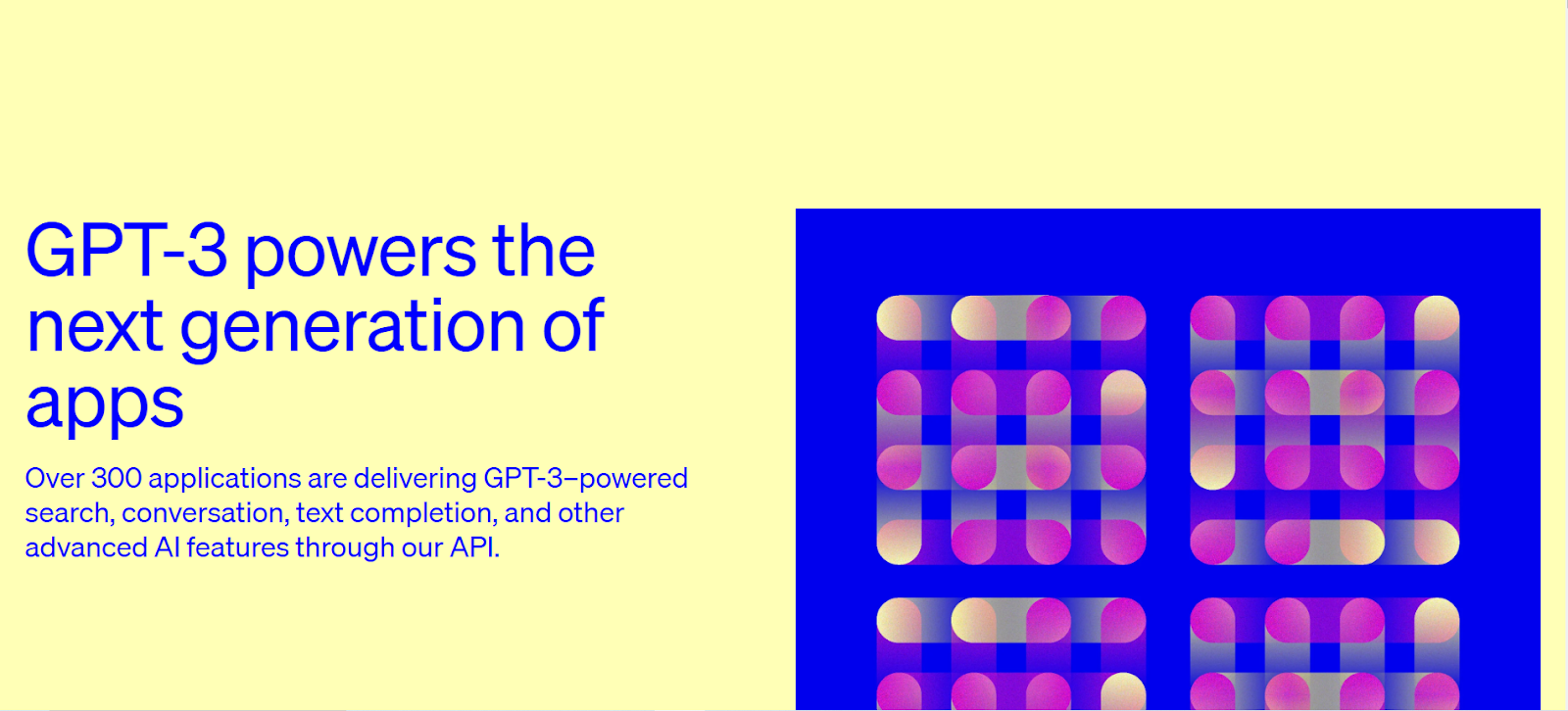
GPT-3, released May 28, 2020, was trained on a dataset of 500 TB of text and code. So, GPT-3 became very powerful and could generate text that resembled human-written text. The tool has amazed people with creative content and informative answers.
Later, developers presented GPT-3.5, an improved version of GPT-3. ChatGPT’s emergence is the result of GPT-3.5. Following this advancement, GPT-3.5 Turbo enhanced ChatGPT further.
O que é GPT-4?
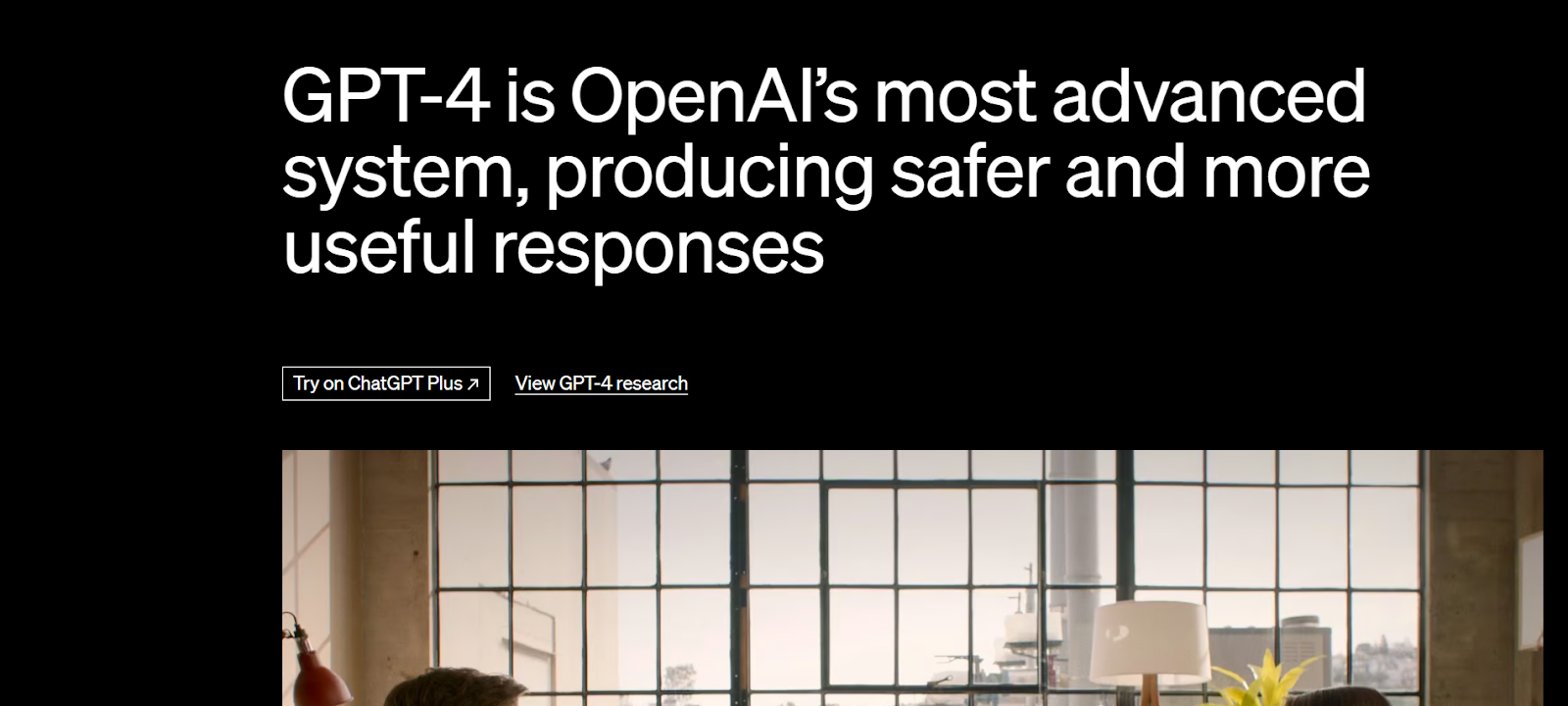
GPT-4 is the fourth model of OpenAI’s GPT series. GPT-4 was released in March 14, 2023. This model is a multimodal large language model, unlike GPT-3, which is unimodal. GPT-4 is more advanced and reliable than ever.
OpenAI has now made GPT-4 the main model for ChatGPT and is available with the free version.
GPT 3 vs. GPT 4: as diferenças
Though GPT-4 has already been released, it continues to evolve through updates and improvements. It has significantly transformed how we interact with computers, offering more accurate, nuanced, and context-aware responses than previous models. There are several core differences between GPT-3 and the latest GPT-4, including reasoning ability, language understanding, and multi-modal capabilities.
GPT-3 vs. GPT-4: tamanho do modelo
If you look at the GPT model sizes, you can see that OpenAI has trained them with really large datasets. But, How big is GPT-3? As per OpenAI, it has around 175 bilhões de parâmetros. It was the largest language model available before GPT-4.
What about the number of parameters in GPT-4? It is estimated to be roughly around 1.80 trillion! This estimate first came from AI experts like George Hotz, who is also known for being the first person to crack the iPhone.
In case you are wondering what “parameters” actually represent, they are the internal weights the model learns during training. Think of them as the “knobs” or “settings” that the model adjusts to improve its ability to predict the next word in a sentence, understand meaning, follow instructions, etc. These are sometimes compared to neurons in the brain.
So, if you are asking the model size of GPT-4 as compared to GPT-3, GPT-4 model is over 10 times larger than GPT-3! Making it the smartest LLM to exist till date.
GPT-3 vs. GPT-4: o que é necessário e o que oferece
O GPT-3 aceita entrada de texto e você pode fornecer entrada de texto em qualquer idioma. Você pode fornecer prompts de texto, instruções, código, conteúdo longo, etc., e solicitar resultados de acordo.
Differently, as per OpenAI, GPT-4 can handle about 24,000 words of text. However, the system understands inputs in multiple modalities and tira imagens além da entrada textual. For some users, it can provide codes to build a simple website by taking only a hand-drawn mockup. Also, it can help you to recreate small games.
Users of ChatGPT Plus or Pro versions can develop their own GPTs or explore a myriad of GPTs integrated with other AI apps for various purposes. Examples would be Canva for image creation or Capcut for AI video generation.
GPT-3 vs. GPT-4: Limite de informações
GPT-3 has information that has data up to September 2021. Any events, developments, or information after that date are not part of GPT-3’s training data. If you use the updated GPT-3.5 Turbo version, it has updated information up to December 2023.
GPT-4 “legacy version” has a knowledge cutoff up to September 2021. However, GPT-4 Turbo and and the newer GPT-4o (Omni) has broader general knowledge up to December 2023.
As per New York Post, GPT-4.5 is less prone to so-called “hallucinations” – a phenomenon where AI models fabricate false responses to user prompts. OpenAI said the upgraded model has a hallucination rate of just 37.1%, down from 61.8% from the last version. It’s built-in info is updated up to February 2025, the month of its preview release.
GPT-3 vs. GPT-4: Qualidade de saída
GPT-3 is a conversational tool and is good at generating content. The tool can create copies, long content, and answer questions. However, it lacks common sense and cannot think critically compared to GPT-4. Its “hallucination rate” is also much higher, providing inaccurate answers to simple tasks.
The output quality of GPT-4 is more accurate, collaborative, and advanced than the previous versions. It helps you to generate content, edit, and do repeated writing tasks smartly to lessen your pressure. GPT-4 can craft stories, lyrics, social media copies, long-form content, etc. based on the prompts. Also, the tool creates captions for images, does classifications, and analyses smoothly.
GPT-4o can also make summaries from audio files and read texts on images.
GPT-3 vs. GPT-4: comparação de usuários
Muitas empresas modernas usam o GPT-3 para desenvolver produtos e serviços novos e inovadores. OpenAI usa GPT-3 para impulsionar seus próprios produtos e serviços, como ChatGPT e DALL-E.2. O Google usa GPT-3 para atualizar a precisão de seus resultados de pesquisa. Além disso, muitas ferramentas populares de escrita de IA também são alimentadas por GPT-3. Por exemplo: o serviço de bate-papo Bing da Microsoft, o excelente gerador de conteúdo otimizado para SEO ObtenhaGenie IA, Grammarly e assim por diante.

Pelo contrário, a lista de usuários do GPT-4 ainda é desconhecida. Como o processo de desenvolvimento ainda está em andamento, as pessoas ainda não podem utilizar amplamente a ferramenta. No entanto, a OpenAI está utilizando GPT-4 para alimentar o novo serviço ChatGPT plus. Esperançosamente, o DALL-E.3 também estará disponível para o GPT-4 no futuro e as pessoas poderão converter ideias em imagens facilmente.
Sistema de preços
GPT-3 e GPT-3.5 são gratuitos. Você pode usar o ChatGPT online gratuito para gerar conteúdo. Ele lhe dará todas as atualizações regulares do modelo sem adquirir nenhum plano.
GPT-4 custa $20 por pessoa por mês. Este plano fornecerá análise avançada de dados, plug-ins, acesso antecipado a recursos beta, além dos benefícios da versão gratuita.
Uma tabela de comparação rápida
| Características | GPT-3 | GPT-4 |
| Modalidade | Unimodal (somente texto) | Multimodal (texto e imagens) |
| Precisão | Menos preciso | Mais preciso |
| Formulários | Mais de 300 aplicativos | Desconhecido, API disponível |
| Tamanho dos dados de treinamento GPT | 175 bilhões de parâmetros | 1.80 trillion parameters |
| Tamanho | 17 gigabytes | 45 gigabytes |
| Comprimento do prompt | 4.096 tokens (máx.) | 8.192 tokens (máx.) |
| Velocidade | 10 bilhões de tokens por segundo | 100 bilhões de tokens por segundo |
Perguntas frequentes
Empacotando
Então, detalhamos os principais detalhes do GPT 3 vs. GPT 4. Esperamos que agora você tenha ideias claras sobre esses modelos GPT.
Among modern businesses, writers, researchers, artists, and others, GPT has gained much popularity. Developers have already designed several writing assistants, chatbots, and other AI tools using GPT-3 and GPT-3.5. Now you can also look forward to seeing the magic of GPT-4.
É importante observar que GetGenie gera conteúdo para suas tarefas de escrita aproveitando o modelo de linguagem GPT de Open AI.
 Danish
  Swedish
  Polish
  Korean